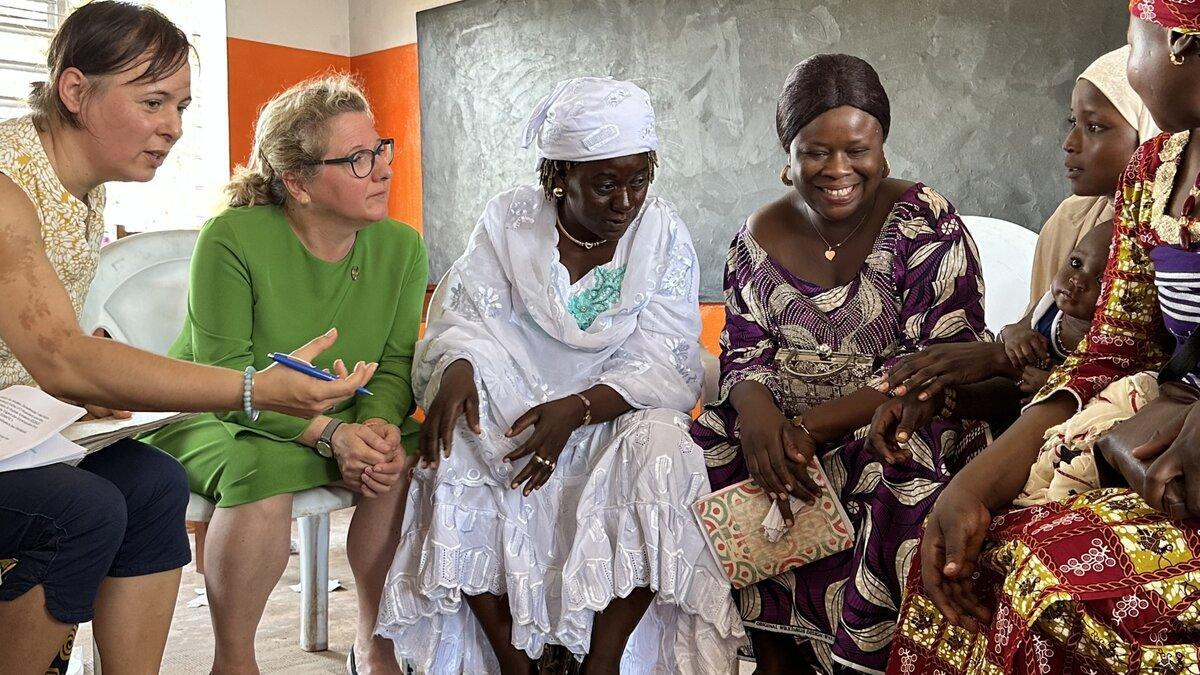
High-quality research begins long before the first interview or survey. It begins with understanding the people, communities, and environments involved in a research project.
For organizations conducting research in public health, international development, and humanitarian settings, meaningful community engagement is essential. Without trust, cultural awareness, and ethical practices, even well-designed research tools may fail to capture accurate and meaningful information.
Ethical community engagement is not simply a requirement for research approval. It is a fundamental part of producing reliable evidence and respecting the people who contribute their experiences.
Why Community Engagement Matters
Research participants are not just sources of information. They are individuals with personal experiences, social relationships, cultural values, and concerns that influence how they interact with researchers.
When research teams approach communities without understanding these realities, participants may feel uncomfortable, misunderstood, or hesitant to share their experiences.
Building relationships helps create an environment where individuals feel respected and can participate more openly.
For example, research involving maternal health, reproductive health, or experiences of gender-based violence requires particular sensitivity. Participants may be discussing deeply personal experiences that demand careful communication and appropriate safeguards.
Building Trust Before Collecting Data
Trust cannot be established through a consent form alone. It develops through consistent, respectful interactions.
Researchers should take time to understand local customs, community structures, languages, and expectations before beginning data collection.
Practical approaches include:
- Working with trusted local researchers and community representatives.
- Explaining research objectives in clear and accessible language.
- Allowing participants to ask questions before agreeing to participate.
- Respecting cultural practices and individual boundaries.
- Ensuring confidentiality and protecting personal information.
- Avoiding pressure or expectations that could influence participation.
These practices help establish relationships based on respect rather than authority.
The Role of Participatory Research
Participatory research approaches recognize that community members have valuable knowledge about their own experiences and circumstances.
Rather than treating participants as passive respondents, researchers create opportunities for people to contribute to the research process.
This may involve community discussions, participatory exercises, group activities, and collaborative interpretation of emerging findings.
Such approaches can reveal important information that traditional interviews or structured questionnaires might miss.
They also help ensure that research tools are relevant to the population being studied.
Ethical Considerations in Sensitive Research
Research involving vulnerable populations requires additional safeguards.
Researchers must ensure informed consent, voluntary participation, privacy, and appropriate handling of sensitive information.
In some situations, asking certain questions may create emotional distress or expose participants to potential risks.
Research teams should therefore receive appropriate training on ethical interviewing, safeguarding, confidentiality, and referral procedures where relevant.
Ethical considerations should influence every stage of the research process, from study design and recruitment to data collection, analysis, and reporting.
From Community Relationships to Better Evidence
Meaningful engagement improves more than the research experience. It can also strengthen the quality and relevance of collected data.
When participants understand the purpose of a study and feel respected, they are more likely to engage meaningfully with research activities.
This helps researchers develop a deeper understanding of community realities and produce findings that better reflect people’s experiences.
At Insight Impact Consulting, we recognize that meaningful research depends on genuine relationships with communities. Our approach integrates ethical practices, participatory methods, and contextual understanding to support high-quality research in diverse and challenging settings.
Planning research involving communities or vulnerable populations? Connect with Insight Impact Consulting to explore ethical and context-sensitive research approaches.
Leave a Reply